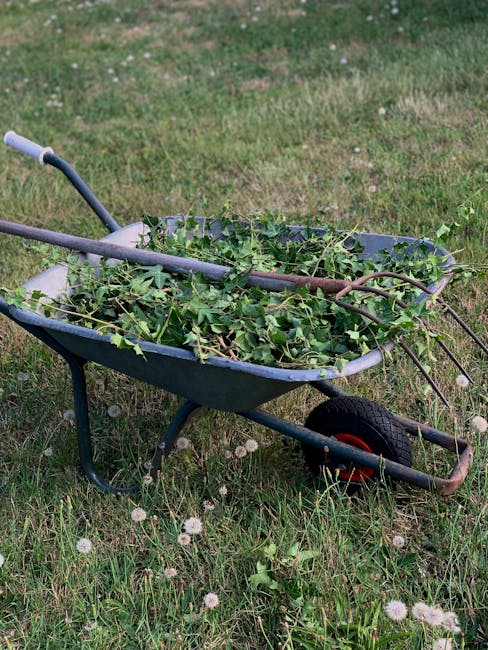
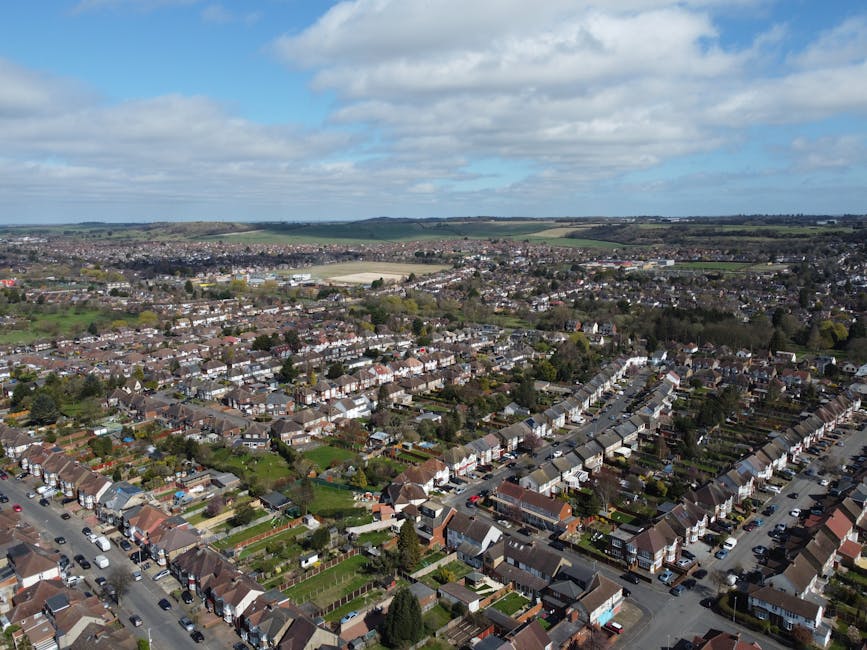
Mill Hill Park gardeners for clearance and maintenance
If your garden in or around Mill Hill Park has reached that slightly overwhelming stage - a few overgrown borders, a patchy lawn, leaves in the corners, maybe a hedge that has gone a bit feral - you are not alone. Many homeowners, landlords, and busy families end up needing practical help at exactly the point where a garden stops being enjoyable and starts feeling like another weekend job. That is where Mill Hill Park gardeners for clearance and maintenance can make a real difference.
This guide explains what garden clearance and maintenance actually involve, how a good service works, who it suits, and what to look for before you book. It also covers the sensible stuff people often forget: waste handling, regular upkeep, safety, and the difference between a one-off reset and ongoing care. In other words, the whole picture, without the fluff.
Why Mill Hill Park gardeners for clearance and maintenance Matters
A garden can decline quietly. One week it looks merely untidy, and the next it feels like everything is competing for attention at once: weeds, brambles, moss, overflowing beds, heavy pruning, dead patches, and general clutter. Around Mill Hill Park, where many gardens need to work hard through changing weather, shade, and everyday use, regular attention is not just about appearance. It is about keeping a space usable, safe, and manageable.
Clearance and maintenance are related but not identical. Clearance is the reset: removing waste, cutting back growth, lifting debris, and making the garden workable again. Maintenance is the steady care that prevents the same mess from returning too quickly. A lot of people only think about a gardener when things are already out of hand. Fair enough. Life gets busy. But the best results usually come when the two are treated as part of one simple plan.
It also matters because neglected gardens can create more than visual problems. Long grass hides uneven ground. Dense shrubs can block light and airflow. Piles of cuttings can become slippery or simply attract more mess. And if you are trying to sell, rent out, or just enjoy your home, a tired garden can drag the whole property down.
For readers looking for a broader view of available work, the services overview is a useful starting point. If you already know you need a full reset, the dedicated garden clearance service may be the better fit. For ongoing upkeep, garden maintenance usually makes more sense.
Expert summary: A good garden service does not just cut things down and leave. It restores order, reduces future work, and helps the space stay healthy. Clearance solves the immediate mess; maintenance stops the cycle from repeating.
How Mill Hill Park gardeners for clearance and maintenance Works
In practice, garden clearance and maintenance usually begin with a walk-through or a quick description of the space, what is getting in the way, and what outcome you want. That could mean a simple tidy-up, a full overgrown garden clearance, or a more regular monthly or fortnightly maintenance visit. The right approach depends on the garden, not just the calendar.
A clearance visit often includes removing green waste, cutting back excessive growth, clearing borders, trimming back brambles and weeds, and tidying areas that have been left to accumulate debris. Maintenance visits are usually lighter and more routine. Think lawn cutting, edging, hedge trimming, weeding, leaf clearance, shaping plants, and keeping the space presentable. A garden can need both, sometimes in the same season. Happens all the time.
Many customers choose to combine services. For example, a garden might need an initial clearance to get back under control, followed by regular lawn mowing and hedge trimming to keep the result in place. If the layout is being improved as well, landscape work or landscaping may also come into play. That can be especially useful where a garden needs better structure, cleaner access, or a more practical finish.
Where there are larger shrubs, mature trees, or hard-to-reach growth, related services such as tree lopping and removal can be relevant. And if the garden includes timber features or decking that also need attention, it may be worth looking at decking services alongside the green work.
A competent gardener will normally think in layers: what must be removed now, what can be shaped, what should be left to recover, and what needs monitoring in a few weeks. That judgement matters. Cutting everything back because it looks messy is not the same as caring for a garden properly.
Key Benefits and Practical Advantages
There are obvious benefits to getting the garden back in shape, but the best ones are practical ones. Not glamorous. Just useful.
- Immediate visual improvement: A cleared and maintained garden looks brighter, larger, and more welcoming almost straight away.
- Safer movement around the space: Removing debris, overgrowth, and hidden trip hazards makes a real difference, especially on uneven ground or narrow paths.
- Better plant health: Regular cutting, pruning, and weeding can improve airflow, reduce competition, and support healthier growth.
- Less long-term effort: A garden that is maintained consistently tends to stay manageable instead of swinging between extremes.
- Stronger property presentation: If you are letting, selling, or welcoming guests, the outside space matters more than people often admit.
- Less stress for you: Truth be told, there is a quiet relief in knowing the job is handled properly and not hanging over you.
There is also a subtle benefit people overlook: a garden that is kept tidy becomes easier to understand. You can see which plants are thriving, which areas hold water, which corners need light, and where the layout is awkward. That clarity helps with future decisions, whether you want simple upkeep or a bigger redesign later.
If you care about sustainability, there is another point worth checking. Responsible teams should think about green waste handling and reuse where possible. A service that follows sensible recycling and sustainability practices is usually a better fit than one that treats everything as disposable.
Who This Is For and When It Makes Sense
This kind of service is useful for all sorts of people, and not only for gardens that have become seriously overgrown. In fact, some of the best outcomes come when people act before the situation becomes awkward.
You may want Mill Hill Park gardeners for clearance and maintenance if you are:
- a homeowner who wants the garden back without losing a weekend to it
- a landlord preparing a property for new tenants
- a resident coping with a neglected outdoor area after a busy period or house move
- someone who wants a reliable routine for keeping borders, lawns, and hedges in shape
- a family needing a safer, more usable space for children or pets
- an older resident who would rather avoid heavy lifting, bending, or repetitive garden chores
It also makes sense after seasonal changes. Early spring can expose winter damage. Late autumn often means leaf build-up and soft ground. After holiday periods, gardens can quickly go from "fine, honestly" to "right, we need help." And if you have been away for a while, the first look at the back garden can be a bit of a moment.
Some people only need a one-off visit. Others benefit from ongoing garden maintenance every few weeks. The right choice depends on how fast the space grows, how much time you have, and how much of the work you actually want to do yourself. No shame either way.
Step-by-Step Guidance
If you are arranging a garden clearance or maintenance visit, a structured approach helps you avoid misunderstandings and get better results. Here is a straightforward way to think about it.
- Walk the garden and identify the problem areas. Note the parts that are overgrown, cluttered, patchy, unsafe, or simply untidy.
- Decide whether you need a clearance, maintenance, or both. If the space is heavily neglected, start with clearance. If it is mostly under control, maintenance may be enough.
- List the priorities. For example: lawn cutting first, then hedge trimming, then border weeding, then green waste removal.
- Check access. Make sure gates, side passages, and storage areas are usable. That can save time and awkward back-and-forth on the day.
- Discuss waste handling. You will usually want to know what happens to the cuttings, branches, and general green waste once the job is done.
- Clarify what will be left alone. Some plants may need seasonal pruning or may be better left until a later visit. This is where a careful gardener earns their keep.
- Agree on the finish. Do you want a basic tidy, a neat and level finish, or a more detailed reset with edging and shaping?
- Plan follow-up care. A single clearance can transform a garden, but maintenance is what keeps it from sliding back again.
One useful habit: before the work starts, take a few photos of the space. Nothing dramatic, just a quick record. It helps you compare the before and after, and it makes later discussions much easier if you want to adjust the scope.
If you are still gathering options, the pricing and quotes information can help you think through the kind of job you need before you commit.
Expert Tips for Better Results
Good garden work is often about timing, sequence, and restraint. The flashy part is the end result. The smart part is how you get there.
- Start with the worst areas first. If a corner is choking the whole garden, clearing that zone gives you the biggest visual win quickly.
- Do not overcut everything at once. Some shrubs and hedges recover better when reduced gradually rather than hammered back in one go.
- Match maintenance to growth speed. Fast-growing hedges and lawns need more frequent attention than slow, ornamental areas.
- Keep an eye on edges. A sharp lawn edge and neat border lines make even a simple garden feel properly finished.
- Think seasonally. What matters in April is not the same as what matters in November. Wet leaves, frost, shade, and light all change the job.
- Protect plants you want to keep. A rushed clearance can damage bulbs, perennials, or self-seeded plants that you actually wanted.
One small but important point: ask the gardener to explain what they are doing and why, especially if a plant is being cut back hard. A good professional should be able to give a plain-English answer without making it feel like rocket science.
Also, if a garden includes a small patio or timber area, it can be worth thinking about the whole space together. Green growth, surface cleaning, and structure often affect each other. That is where broader landscape gardening or landscaping support may be useful, depending on the condition of the area.
Common Mistakes to Avoid
People often make the same handful of mistakes when booking clearance or maintenance. Most are easy to avoid once you know what to look out for.
- Booking maintenance for a garden that really needs clearance first. That usually leads to disappointment because the job scope is too small.
- Expecting a one-off visit to solve long-term neglect. It helps, yes. But if growth is fast, you will likely need follow-up care.
- Not mentioning access issues. Narrow gates, steep steps, hidden corners, or awkward waste access can affect the plan.
- Assuming all waste will disappear automatically. Clarify this early. Nobody likes surprise piles of cuttings lingering at the side of the house.
- Cutting back too aggressively in the wrong season. Some work is best timed carefully to reduce plant stress.
- Choosing the cheapest option without checking what is included. A low headline price is less useful if the finish is basic and the aftercare is unclear.
A slightly messy garden can be tidied. A badly planned job can take longer to undo. That sounds obvious, but it happens more often than people expect.
Tools, Resources and Recommendations
For a professional clearance and maintenance job, the most useful equipment depends on the condition of the garden. The actual tool list can be quite ordinary, which is sort of reassuring. No drama, just the right kit for the task.
| Need | Typical approach | Why it helps |
|---|---|---|
| Overgrown borders | Cut-back, weed removal, edging | Restores shape and frees up plant space |
| Unruly lawn | Lawn mowing and edging | Makes the whole garden look cleaner immediately |
| Dense hedges | Hedge trimming | Improves light, shape, and access |
| Large branches or small trees | Tree lopping and removal where appropriate | Reduces risk and opens up the space |
| Heavy debris | Green waste collection and sorting | Keeps the site tidy and easier to use afterwards |
For households that want a regular routine rather than one-off intervention, combining services can be efficient. A seasonal clearance followed by regular lawn mowing and hedge trimming often keeps things under control without requiring a full garden overhaul every time.
If you are comparing service levels, the main question is simple: do you need restoration, upkeep, or both? That one answer usually saves a lot of wasted discussion later on.
Law, Compliance, Standards, and Best Practice
Garden work is not usually complicated from a legal point of view, but there are still sensible standards to follow. The important thing is not to overstate certainty. Different sites, access conditions, and waste arrangements can change what is appropriate.
In the UK, good practice generally means working safely, handling waste responsibly, and using equipment in a way that reduces avoidable risk to people, property, and plants. For a homeowner, that often translates into a few practical expectations:
- clear communication about the scope of work
- careful handling of tools, ladders, and cutting equipment
- reasonable attention to waste and recycling
- honest guidance if part of the work should be postponed or staged
- appropriate care around fragile plants, walls, paving, and boundary features
If you are hiring anyone to work in your garden, it is sensible to ask about safety procedures and insurance arrangements. That is not being difficult. It is just common sense. The site's health and safety policy and insurance and safety information are useful examples of the kind of reassurance a customer should look for. If something goes wrong, you want to know there was a proper process in place, not crossed fingers.
Privacy and payment handling also matter, especially if you are booking online or sharing contact details. A transparent privacy policy and clear payment and security information are good signs that the business is taking the basic admin seriously, which is usually a relief to everyone involved.
Options, Methods, and Comparison Table
Not every garden needs the same type of help. Here is a simple comparison that shows how the main options usually differ.
| Service type | Best for | Typical outcome | What to watch for |
|---|---|---|---|
| Garden clearance | Overgrown, cluttered, neglected spaces | Fast visual reset and removal of excess growth | May need maintenance afterwards to stay tidy |
| Garden maintenance | Gardens that are already in decent shape | Regular upkeep, cleaner edges, better control | Can be too light if the garden has become heavily overgrown |
| Hedge trimming and lawn care | Yards that mainly need shaping and grooming | Sharper lines, better light, better presentation | Does not solve wider clearance issues alone |
| Landscaping / landscape gardening | Spaces needing structural improvement | More usable layout and long-term improvement | Takes more planning and may involve several stages |
There is no single best option for every garden. A small urban garden with persistent hedge growth may need only light maintenance. A neglected rear garden with heavy weeds, dead branches, and uneven access may need a full clearance first. Simple as that, really.
Case Study or Real-World Example
Here is a realistic example. A homeowner comes back after a few months away and finds the back garden has quietly turned into a tangle of waist-high growth, fallen leaves, and a lawn that is more suggestion than lawn. The space still exists, of course, but you have to squint to see it. A bit rude, really.
In that situation, maintenance alone would not be enough. The sensible first step is a clearance visit: remove debris, cut back the worst growth, reveal the borders, and make the layout visible again. Once the garden is back to a usable baseline, the next visit might focus on hedge trimming, mowing, and regular weeding. If there are awkward corners or a small tree crowding the area, tree work may be considered as part of the wider plan.
What changed in the example above was not just the appearance. The owner could walk through the space without pushing through stems and loose cuttings. They could see where water collected after rain. They could tell which shrubs were worth keeping and which were swallowing the rest of the bed. That sort of clarity is easy to underestimate until you actually have it.
And yes, the garden looked better. But more importantly, it became manageable again. That is the bit people often want most.
Practical Checklist
Use this checklist before booking or during your first conversation with a gardener:
- Identify whether you need clearance, maintenance, or both
- List the main problem areas in priority order
- Check access through gates, side paths, and storage areas
- Ask what will happen to green waste and cuttings
- Confirm whether hedges, lawns, borders, or trees are included
- Ask if the job should be one-off or repeated regularly
- Check whether any areas should be left untouched for seasonal reasons
- Clarify payment terms before the work starts
- Make sure you understand the expected finish level
- Keep notes or photos for future maintenance planning
If you are still comparing providers, it can help to review the business background too. The about us page is a sensible place to start if you want to understand the team before booking anything.
Get a free quote today and see how much you can save.
Conclusion
Mill Hill Park gardeners for clearance and maintenance are most useful when you want a garden that feels under control again, without turning the whole thing into a DIY battle. Clearance restores order. Maintenance keeps it that way. And the best results usually come from treating those two jobs as part of one simple plan rather than as separate emergencies.
Whether your space needs a one-off rescue or a steady upkeep routine, the practical questions stay the same: what needs doing, what can wait, and how do you keep the garden manageable afterwards? Answer those well and the rest becomes much easier. Honestly, that is half the battle.
If you are ready to move from "I really should sort that" to "that's done," the next step is simply to get the right help and start where the garden needs it most. Small progress still counts. In a garden, it often counts a lot.
Frequently Asked Questions
What do Mill Hill Park gardeners for clearance and maintenance usually include?
It depends on the garden, but it often includes clearing debris, cutting back overgrowth, weeding, hedge trimming, lawn mowing, and ongoing upkeep. Some jobs are mostly tidy-ups; others need a full reset first.
Do I need garden clearance or regular maintenance?
If the garden is heavily overgrown or cluttered, clearance is usually the right first step. If the space is already in decent shape and you want it kept that way, maintenance is the better fit.
Can one visit fix a badly neglected garden?
One visit can transform the look and usability of a garden, yes. But if growth is fast or the space has been neglected for a long time, ongoing maintenance is often needed to keep the result in place.
How often should a garden be maintained?
That depends on plant growth, season, and how you use the space. Some gardens need attention every couple of weeks in peak growth periods, while others only need occasional visits. There is no one-size-fits-all rule.
What happens to the waste after clearance work?
Green waste should be removed and handled responsibly. It is sensible to ask in advance how cuttings, branches, and other debris will be collected, sorted, and disposed of.
Is hedge trimming part of maintenance?
Often, yes. Hedge trimming is one of the most common maintenance tasks because hedges grow quickly and can affect light, privacy, and the overall shape of the garden.
Can gardeners help with trees as well as lawns and borders?
They can, depending on the job. Larger or riskier tree work may require a separate service such as tree lopping and removal, especially where access or safety is a concern.
What should I prepare before the gardeners arrive?
Try to clear access points, mention any fragile plants or hidden hazards, and make sure the team knows your priorities. A short list of what matters most can save time and confusion.
Are garden clearance and landscaping the same thing?
No. Clearance is about removing excess growth and debris to restore order. Landscaping is more about changing the structure, layout, or function of the space. Sometimes they overlap, but they are different jobs.
How do I know if a gardener is working safely?
Look for clear communication, sensible handling of tools and waste, and proper attention to access and risk. It is also reasonable to ask about safety procedures and insurance, especially for heavier or higher-risk work.
Can maintenance be combined with lawn care?
Absolutely. In fact, a lot of people combine general maintenance with lawn mowing because the lawn often sets the tone for the whole garden.
What if I only want a tidy-up, not a full redesign?
That is completely fine. Not every garden needs landscaping. Sometimes the best outcome is simply a clean, neat, manageable space that looks cared for without changing its character.
How can I compare providers without getting overwhelmed?
Focus on three things: what is included, how waste is handled, and whether the service matches the real condition of the garden. If you want a clearer picture of service ranges, the services overview page can help.
Where can I ask for more information or a quotation?
If you are ready to talk through the job in more detail, use the contact us page to ask questions or request the next step. A short conversation is often enough to work out what kind of help your garden really needs.